
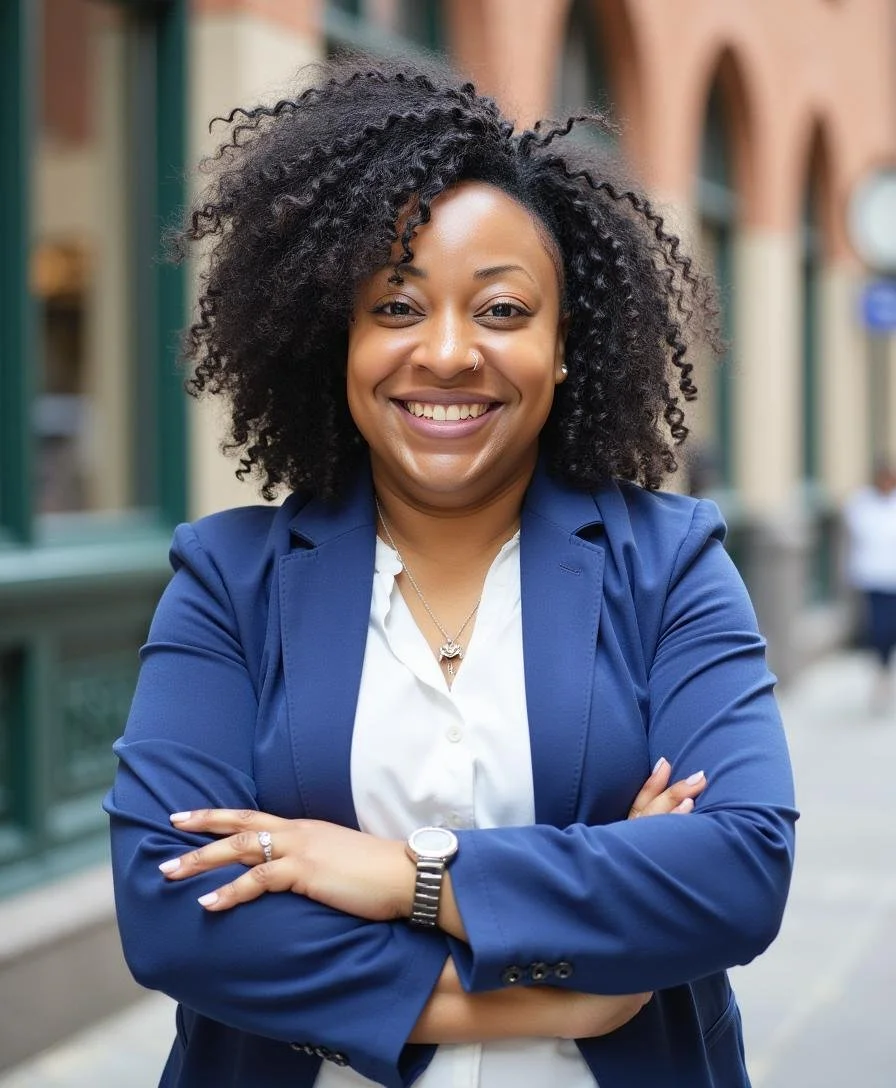
MEET DR. ASHLEY A. JONES
Artist by training. Educator by purpose.
I'm an art educator, curriculum creator, researcher, and practicing artist who believes art is one of the most powerful ways to help young people learn about themselves, understand others, and build the confidence to express their ideas.
My work lives at the intersection of art, education, identity, and belonging, whether I'm teaching in the classroom, developing curriculum for other educators, leading a workshop, conducting research, or creating artwork of my own.
MY STORY
From Making Art to Teaching Through Art
I began my career as a practicing visual artist, earning a bachelor's degree in Studio Art and later an MFA in Drawing and Painting. My creative practice has taken me into galleries, museums, universities, and communities across the United States and beyond, with work centered on identity, representation, Black womanhood, hair, and colorism.
But throughout my career, education has remained at the center.
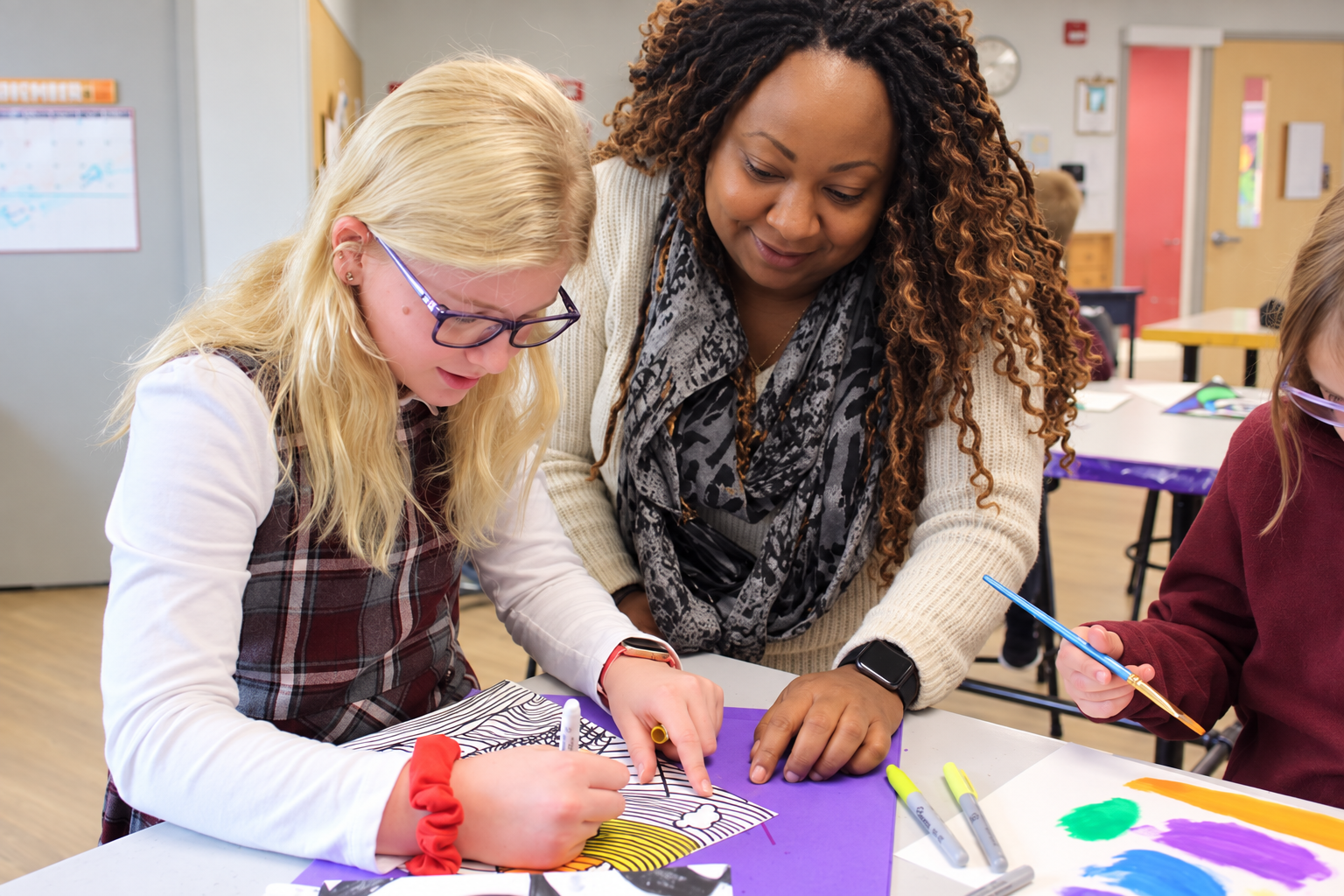
I've taught art at both the university and middle-school levels, served as a university gallery director and assistant professor, developed curriculum, mentored young artists, and worked with students with a wide range of experiences and abilities.
Over time, I realized that the most meaningful part of my practice wasn't simply making art. It was using art to teach.
Today, my classroom is an important part of my creative practice. I design art experiences that help students experiment, take creative risks, develop technical skills, think critically, and connect what they create to larger ideas about identity, culture, and the world around them.
MY TEACHER PHILOSOPHY
I Believe Art Class Should Be a Place to...
CREATE
Develop skills, experiment with materials, and turn ideas into something tangible.
EXPLORE
Discover artists, cultures, techniques, perspectives, and new ways of seeing.
REFLECT
Think critically about creative choices, experiences, identity, and the world around us.
BELONG
Create a learning environment where students' ideas, experiences, and identities have a place.
WHERE ART + RESEARCH MEET
Who feels seen? Who feels represented? Who feels that they belong? And how can education help change that?
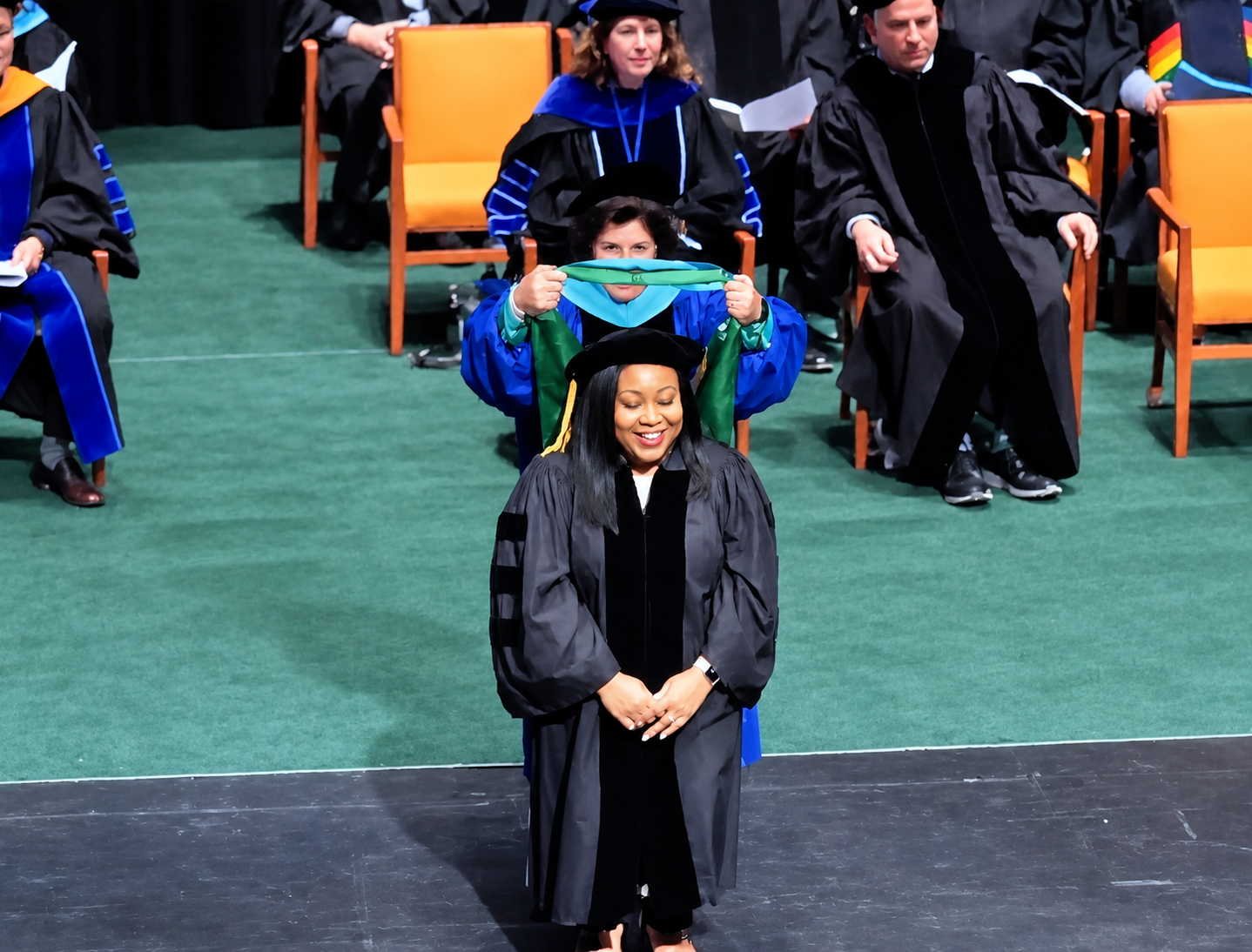
My work as an educator is also informed by research. I earned my Doctor of Education in Leadership and Administration, with research examining the job satisfaction and retention experiences of Black educators in Pennsylvania independent schools.
That research deepened my interest in belonging, representation, leadership, mentorship, and the environments we create for both students and educators.
THE ARTIST IS STILL HERE
Art Still Matters to My Practice.
I may no longer spend every day pursuing life as a full-time studio artist, but being a practicing artist continues to shape the educator I am.
My creative practice allows me to bring real-world artistic experience into the classroom—from developing ideas and experimenting with materials to exhibiting work, receiving critique, collaborating with institutions, and communicating complex ideas visually.
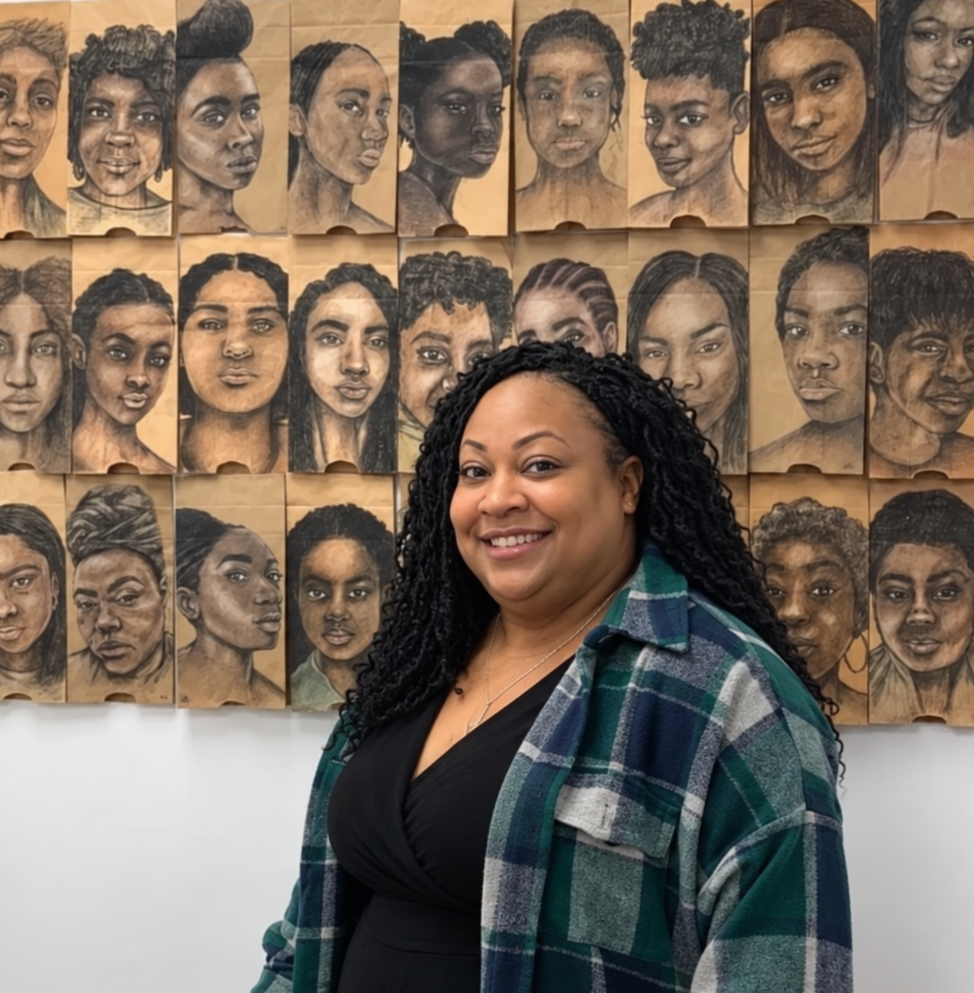
My signature body of work, The Colorism Project, explores colorism, identity, representation, and the experiences of Black women and communities. What began as studio research has grown into exhibitions, artist talks, educational experiences, and opportunities for dialogue.
I don't see my roles as artist and educator as separate anymore. The art informs the teaching, and the teaching continues to inform the art.
Why I Teach Art.
I teach art because young people need spaces where there isn't always one right answer.
They need opportunities to experiment, make mistakes, solve problems, develop their own ideas, and discover what they're capable of creating.
Art gives students a way to communicate things they may not yet have words for. It teaches them to look closer, think differently, and trust their own creative voice.
That's the kind of learning experience I want to create.